Premier League’s Gambling Shirt Ban Hands Leverage to Non-Betting Sponsors
English top-flight clubs lost betting logos on shirt fronts this season, but many new deals pay less, and some bookmakers moved to the sleeve.

This article was produced with AI assistance and edited by the ON360 newsroom.
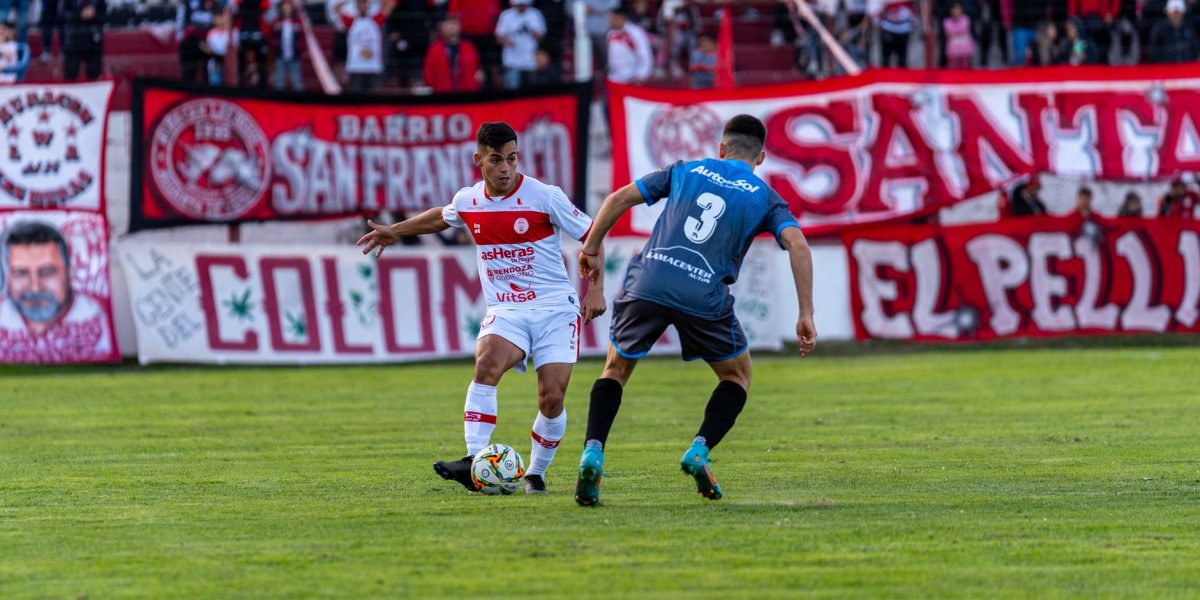
English Premier League clubs took the pitch this past weekend without gambling logos on the front of their shirts for the first time, and early evidence suggests many of the replacement sponsors are paying considerably less than the bookmakers they displaced. Gambling Insider reports that the voluntary front-of-shirt ban, agreed by clubs in 2023, forced teams to replace deals collectively estimated at roughly £80 million ($109 million) a year.
The three-season transition period gave clubs time to find new partners. Several waited almost until the deadline, a delay that appears to have strengthened incoming sponsors’ negotiating position rather than the clubs’.
A costly swap for clubs outside the elite
Sean Connell, editor of The Sponsor, told Gambling Insider that clubs losing a gambling brand “stand to lose on average 38% of their front of shirt value” when they switch to a non-betting partner. One club’s commercial director reportedly told the outlet privately that the best non-gambling offer received came in at less than half the value of its old betting deal.
The Guardian reported that offers for clubs outside the traditional top six fell by roughly half, from a typical £8 million to £12 million range for gambling deals. But The Sponsor’s fifth annual Fair Market Value Index, published in June, found the picture uneven across the league. Values held up better at the top of the table, with the sharpest losses concentrated at clubs also struggling on the pitch, including Chelsea and Tottenham.
Finance and tech fill the gap
Financial services and technology firms have become the most common replacements. Everton swapped crypto casino Stake for trading firm CMC Markets, reportedly matching the previous £10 million annual figure. Nottingham Forest replaced Bally’s with financial services platform Marex.
Fulham moved from SBOTOP to data infrastructure company ClickHouse, while Crystal Palace replaced Net88 with software firm Temporal. Brentford turned to recruitment platform Indeed, already its training kit partner. Bournemouth promoted longtime stadium sponsor Vitality to the shirt front at a reduced £4 million to £5 million, well below the roughly £8 million BJ88 had paid.
Not every club took a pay cut. Aston Villa replaced Betano with Visit Rwanda at around £20 million a year, matching what Betano paid. Sunderland, one of two clubs currently without a front-of-shirt sponsor, is reportedly in talks with Visit Ghana for a deal near £10 million, which would exceed its previous agreement with W88.
Betting money hasn’t left, it’s moved to the sleeve
The ban only covers front-of-shirt space. Sleeves, training kits and other assets remain open to bookmakers, and several clubs have used them.
Aston Villa kept Betano on its sleeve for roughly £6 million a year. Everton retained Stake in the same spot after installing CMC Markets on the chest. Bournemouth, Crystal Palace, Nottingham Forest and Sunderland have all added betting or casino brands, MrQ Casino, Kaiyun Sports, Bally Bet and LiveScore Bet respectively, to their sleeves this season. Manchester United signed Betway for its training kit fronts in a deal reportedly worth around £20 million annually.
ClickHouse vice president Tanya Bragin told CNBC that having several clubs shopping for sponsors at once created a “buyer’s market” for companies previously shut out of the space. That crowded field of sellers, competing for the same handful of replacement sectors, helps explain why so many deals landed below their gambling-era value.
Related: Report: 95% of Pirated World Cup Streams Carried Unregulated Betting Ads
Ontario’s regulator, the AGCO, already limits how registered operators can use athlete endorsements and requires responsible-gambling messaging in ads under its advertising standards. The Premier League’s experiment with pushing betting logos off the shirt front, while leaving sleeves and training kits open, offers a live case study for regulators elsewhere weighing similar half-measures. Chelsea, for its part, has now opened three straight seasons without a permanent front-of-shirt sponsor of any kind.